
It is mid-October, and many clinics are finalizing holiday offers, year-end budgets and January plans over the next several weeks. If you run a med spa, now is a good time to decide how light sessions fit into your memberships, packages and seasonal offers. This guide focuses on structure: menu design, scheduling capacity and the words you use with clients. Pricing and outcomes are left out; those stay your own decisions.
Why the final quarter is a natural time to review your membership structure
The last quarter brings a predictable mix of pressures. Holiday events fill the calendar, gift purchases arrive, and many clients start thinking about a fresh routine as January approaches. Your front desk, providers and booking system all feel that at once, so any structure you set up now gets tested quickly.
Q4 is also a chance to look at your own data. Check which services book out first, which time slots stay empty, and which questions clients keep asking. Those observations matter more than any generic template.
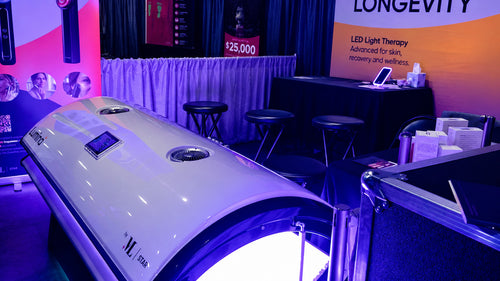
Light sessions suit this exercise because they are easy to describe as an experience. With Lumina, operators can choose predefined programs or customize wavelength combinations and session duration on the touchscreen. That gives you something concrete to build offers around, provided the design stays simple enough for your team to explain.
Choosing between a standalone session, a bundled package and a recurring membership
Each format solves a different business problem, so decide what you want each one to do before you build it.
The standalone session
A single session is your entry point. It lets a new client try the experience without a commitment, and it works well as a gift. Its limitation is that it creates no built-in reason to return, so pair it with a clear next step.
The bundled package
A package groups a defined number of sessions within a defined window, and the natural end date suits seasonal offers. Keep it easy to follow:
- State how many sessions are included and how long the package stays valid.
- Explain how booking works, including whether clients schedule all visits at once.
- Be clear about what happens if a visit is missed or rescheduled.
The recurring membership
A membership is built around an ongoing relationship, such as a regular session allotment or priority booking. It asks the most of your operations because it creates repeating demand on the calendar. Confirm that your team can manage renewals, pauses and changes before launching one.
You do not have to offer all three. A smaller menu your staff can explain confidently usually works better than a long list that creates hesitation at the front desk.
Matching offer design to room capacity and provider availability
An offer is only as good as your ability to deliver it on the calendar. Map the real constraints first.
- Room time. Know how many sessions your Lumina room can realistically host in a day, including cleaning, reset and client check-in.
- Provider time. Decide who greets clients, starts the session and handles the wrap-up conversation.
- Peak and off-peak patterns. If your busy hours are already full, steer seasonal packages toward quieter windows, such as a member-only weekday morning slot.
- Shared resources. Check whether sessions compete with other services for staff, towels or changing space.
Our article on scheduling and turnover for light-therapy sessions shows how to keep a room moving, and adding light therapy to an existing menu covers room, staff and schedule together.
Design from the calendar outward, not from the marketing idea inward. If a package needs more slots than you can comfortably open, narrow it.
Writing simple, honest offer descriptions
Describe what the client will experience and how the offer works, and leave promises about outcomes out of it. Good descriptions cover:
- What the session is. A full-body light session in an enclosed space, with an operator selecting the program.
- What the visit looks like. Arrival, preparation, session length and what happens afterward.
- How the offer is structured. Number of sessions, validity window, booking process and change policy.
- Who to ask. A named contact or a simple way to get questions answered.
Your staff should use the same agreed wording that appears on your website, social posts and signage, so a client never hears one story online and another at the desk. Write a short standard script of a few sentences and have everyone practice it. If a question goes beyond it, let your team say they will check and follow up rather than improvise.
A short pre-January checklist
Use this list over the next few weeks, while there is still time to adjust.
- Staff briefing. Hold one short meeting to walk through each offer, the agreed wording and the booking steps. Let team members try a session where appropriate so they can speak from experience about the setting and flow.
- Booking-system setup. Create clearly named service types for sessions, packages and memberships. Set session lengths, buffer time for room reset and any member-only slots. Test the full path as a client would, from choosing an offer to receiving a confirmation.
- Client communication. Prepare a confirmation message, a reminder message and a brief FAQ so every client receives the same information.
- Capacity check. Compare the sessions you may sell with the slots you have opened, and adjust before launch.
- Review date. Put a date near the end of January on the calendar to look at your first quarter: which formats clients chose, how the schedule held up and which questions came up. Keep what works and simplify what does not.
Keep the plan simple enough to run
The strongest Q4 plans share one quality: your team can explain them in a sentence and deliver them without strain. Start with the format that fits your clinic, size the offer to your real capacity, describe it honestly and schedule a review. ML-Star designs Lumina to support a consistent, repeatable client experience, and the Lumina page outlines the platform if you want to see how it could fit your room and workflow.