
Why Scheduling Structure Matters for a Light-Therapy Room
A treatment room dedicated to light-based services is a shared resource. Every minute it sits empty between clients, or every minute a session runs longer than planned, affects how many appointments the room can support in a day. For med spas offering light-therapy services, a clear scheduling structure is less about the technology itself and more about protecting the room's throughput while still giving each client an unrushed experience.
Building Booking Blocks Around Session Length
Different light-therapy formats call for different booking blocks. Rather than using one generic appointment length for every service, it helps to size blocks around the actual session plus the time needed to prepare and reset the space.
Full-Body Enclosed Systems
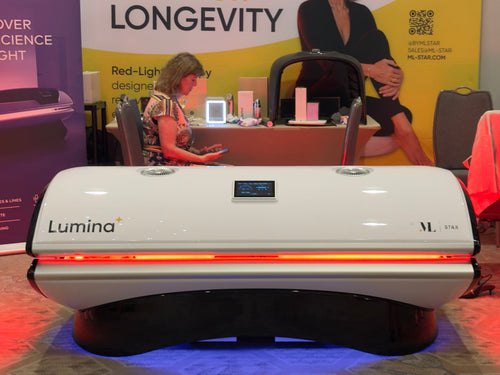
A full-body platform like Lumina uses a dual-cabin design with predefined programs or custom wavelength and duration combinations selected through its touchscreen. Because session length can vary by program, it is worth building the booking block to include a small buffer on either side of the programmed session time - enough for the client to enter and exit the cabin comfortably and for staff to confirm settings before the session begins.
Facial and Handheld Devices
Devices designed around a structured sequence of modes, such as Antares with its six dedicated modes moving from cleansing support through to a cooling finish, naturally take longer per client because the protocol has multiple steps. Scheduling for these services should reflect the full sequence, not just the active treatment time, so staff are not rushing between modes to stay on schedule.
Cleaning and Reset Between Clients
Turnover time is just as important as session time. Between clients, staff should have a consistent, repeatable checklist: wiping down surfaces and any contact points, resetting device settings back to a default starting mode or intensity, and preparing linens or disposables for the next appointment. For enclosed systems, this also includes confirming the cabin interior is reset and any programmed settings from the previous session are cleared before the next client is seated. Building this checklist into the appointment block - rather than treating it as an afterthought - keeps turnover predictable instead of becoming a source of delay later in the day.
Staff Coordination and Role Assignment
When more than one light-therapy service is offered in the same room or across adjoining rooms, clearly assigning roles reduces bottlenecks. One team member can be responsible for greeting and prepping the client, another for operating the device and monitoring the session, and a third for handling the reset once the client has left. Cross-training staff on more than one device also gives the schedule flexibility on busier days, since any trained team member can step into whichever role the day's bookings require.
Using Wearable Add-Ons Without Overloading the Room
Not every light-therapy offering needs to compete for the same treatment room slot. Juno, ML-Star's hands-free LED facial mask, is wireless and wearable, which makes it a practical add-on service that a client can use in a waiting area, a separate quiet corner, or alongside another light service without occupying the primary treatment room for the entire visit. Positioning it this way can help spread demand across the space rather than concentrating every booking on a single room.
Building a Repeatable Daily Schedule
Once booking blocks, turnover routines, and staff roles are defined, it helps to put them into a simple daily template that front-desk staff can follow consistently - rather than re-deciding appointment lengths on the fly for each client. Reviewing how the schedule performs over a few weeks, and adjusting block lengths or turnover checklists as needed, allows the room's workflow to improve gradually based on how the clinic actually operates day to day.
Keeping the Room Working for You
Efficient scheduling for light-therapy services comes down to a few practical habits: sizing booking blocks to match the real session length of each device, building cleaning and reset time into the schedule rather than around it, and giving staff clear roles so turnover happens smoothly. None of this requires new equipment - it requires a consistent operational routine that respects both the client's time and the room's capacity.