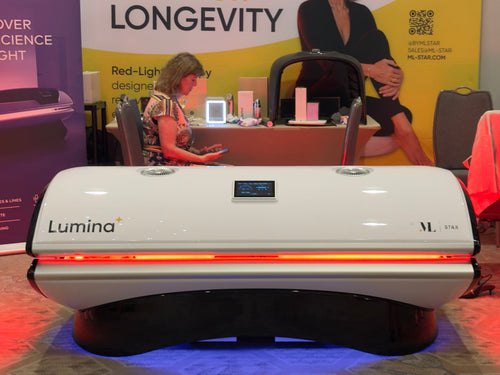

As professional light therapy continues to grow across aesthetics, wellness and longevity, more clinics are evaluating which devices deserve a place in their practice.
With dozens of manufacturers on the market, comparing specifications can quickly become confusing. Marketing claims often focus on LED count, power or appearance, while overlooking the factors that matter most in day-to-day clinical use.
Whether you're opening a new clinic or expanding an existing practice, understanding what professionals typically evaluate can help you make a more informed investment.
Beyond the Number of LEDs
One of the most common marketing messages in the industry is the total number of LEDs.
While LED count may seem impressive, it tells only a small part of the story.
Performance depends on many variables, including:
- wavelength selection
- irradiance
- treatment uniformity
- thermal management
- engineering quality
- treatment protocols
A well-designed system often delivers a better overall experience than one that simply advertises a higher LED count.
Treatment Consistency
For professional practices, consistency matters.
Patients expect every session to deliver the same experience.
Professionals therefore look for devices that provide:
- stable output
- even light distribution
- reliable operating temperatures
- repeatable treatment protocols
Consistency helps simplify staff training while creating confidence among patients.
Patient Comfort
Technology alone isn't enough.
The treatment experience also plays an important role.
Professionals often evaluate:
- treatment duration
- ease of positioning
- accessibility
- noise level
- overall comfort
A comfortable treatment is more likely to encourage patient satisfaction and repeat visits.
Ease of Operation
Busy clinics cannot spend excessive time configuring equipment.
Modern professional systems should offer:
- intuitive software
- preset treatment protocols
- quick patient setup
- minimal maintenance
Simple workflows improve efficiency while reducing staff training requirements.
Reliability Over Time
Professional equipment is expected to operate every day.
This is why clinics often evaluate:
- build quality
- cooling systems
- manufacturer support
- warranty
- software updates
- replacement parts availability
The initial purchase price is only one part of the total cost of ownership.
Clinical Versatility
Many practices treat different types of patients throughout the day.
Versatile systems allow practitioners to adapt treatments for different applications without needing multiple devices.
Professional platforms frequently combine several wavelengths and treatment options to support a wider range of protocols.
Looking Beyond Marketing
Specifications are important.
But experienced professionals also consider:
- manufacturer reputation
- customer support
- education
- training
- scientific documentation
- long-term partnership
Choosing a supplier often matters just as much as choosing the device itself.
Questions Worth Asking Before Investing
Before purchasing a professional light therapy system, consider asking:
- Which wavelengths are included?
- How is irradiance measured?
- What training is provided?
- What warranty is included?
- Is technical support available?
- Has the system been designed for professional use?
These questions often reveal more than marketing brochures alone.
Frequently Asked Questions
Is LED count the most important specification?
No. Overall engineering, wavelength selection and treatment consistency are typically more meaningful than LED count alone.
Should professional clinics use multiple wavelengths?
Many professional systems incorporate several wavelengths to accommodate different treatment goals.
How important is manufacturer support?
Support, training and after-sales service are important considerations for clinics relying on equipment daily.
Can one device meet every need?
Different clinics have different objectives. Choosing a versatile system may reduce the need for multiple standalone devices.
Conclusion
Selecting a professional light therapy device involves far more than comparing technical specifications.
Experienced clinics evaluate performance, reliability, workflow, patient experience and long-term support before making an investment.
A well-designed system should not only deliver consistent treatments—it should integrate naturally into the daily operation of a modern practice.
Continue Reading
Interested in learning more about professional light therapy systems?
Discover the ML-Star collection or contact our team to discuss solutions tailored for clinics, wellness centers and longevity professionals.