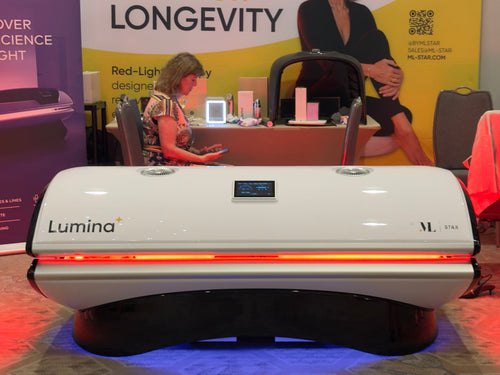

Purchasing a professional light therapy system is only the beginning.
Like any new technology introduced into a clinic, success depends on how well it is integrated into daily operations.
While every practice is different, many clinics follow a similar journey during their first six months.
Understanding that journey can help set realistic expectations and support a smoother implementation.
Month One: Installation and Team Training
The first weeks focus on preparation.
The device is installed, treatment rooms are organized and staff become familiar with the technology.
This is also the ideal time to develop treatment protocols and decide how light therapy will be incorporated into existing services.
The more confident the team becomes, the easier it is to introduce treatments to patients.
Month Two: Introducing Patients to the Technology
Most patients have heard of red light therapy but have never experienced it.
Education becomes an important part of the consultation process.
Clinics often explain:
- how treatments work
- what patients can expect
- recommended treatment schedules
- the role of consistency
Building confidence early helps improve patient engagement.
Month Three: Optimizing Workflow
As treatments become part of daily operations, clinics often refine scheduling and room organization.
Many discover ways to integrate light therapy alongside existing aesthetic or wellness services, making the experience smoother for both staff and patients.
Small operational improvements can make a significant difference over time.
Month Four: Growing Patient Confidence
By this stage, patients are generally more familiar with the treatment process.
Questions become less focused on the technology itself and more centered on maintaining regular sessions and incorporating treatments into their wellness routines.
Clear communication remains essential throughout this phase.
Month Five: Refining the Patient Experience
With the workflow established, attention often shifts toward enhancing the overall experience.
Professional clinics may focus on:
- room ambiance
- appointment flow
- patient comfort
- treatment consistency
- follow-up communication
These details contribute to patient satisfaction and long-term retention.
Month Six: Looking Back
After six months, many clinics have gained a clearer understanding of how professional light therapy fits within their services.
The team is more confident.
Patients are familiar with the treatments.
Operational processes are well established.
At this point, many practices continue refining protocols while exploring additional ways to integrate light therapy into their overall patient experience.
Lessons Learned
Successful implementation is rarely about the technology alone.
It also depends on:
- staff education
- patient communication
- consistent workflows
- long-term commitment to quality
Professional equipment becomes most valuable when it integrates naturally into the clinic rather than feeling like an isolated service.
Frequently Asked Questions
How long does staff training usually take?
Training requirements vary depending on the clinic and the manufacturer's educational resources.
Should every patient receive the same protocol?
Treatment plans should always be determined by qualified professionals according to individual circumstances and applicable regulations.
How quickly do clinics adapt to new technology?
Many clinics become comfortable with daily operation within the first few weeks, although continuous refinement often continues over several months.
Why is patient education important?
Helping patients understand the treatment process can improve confidence and encourage consistent participation.
Conclusion
Introducing professional light therapy is a gradual process rather than a single event.
With thoughtful planning, team education and a focus on patient experience, clinics can integrate new technology into their daily practice while creating a smooth and professional journey for every patient.
Continue Reading
Interested in learning how professional light therapy can fit into your practice?
Contact the ML-Star team to discuss solutions for your clinic.